Navigating Quality: A Guide to Overcoming the Challenge of Selecting Premium Local Products
The concept of "local" is often synonymous with "better." We crave the story behind our food, the craftsmanship in our goods, and the inherent connection to community that comes with buying directly from neighbors. Supporting local businesses is an ethical choice, economically vital, and generally delicious—or beautifully made. However, this commendable desire quickly hits a major stumbling block: how do you know which local product is truly premium? In an age of endless online listings and highly enthusiastic pop-up markets, the journey can feel less like shopping and more like navigating a minefield of marketing claims. It's easy to fall into analysis paralysis, feeling overwhelmed by options and promises. But don't worry; that struggle is universal. This guide will provide practical frameworks and shifts in perspective necessary for overcoming the challenge of selecting premium local products, turning potential frustration into confident, rewarding consumer action.
Understanding the Hurdles: Why Premium Local Choices Are Difficult
Before we can find a solution, we must fully understand the problem. The difficulty in discerning genuine quality isn't due to poor consumers; it’s due to a complex intersection of supply chains, varying standards, and sheer market volume. Knowing why the process is challenging is the first step toward conquering it.
Information Overload and Marketing Noise
The biggest hurdle is often sensory overload. Every stall owner has a story—a tale about their family history or the perfect rainfall for their harvest. While these stories are wonderful, they can also be indistinguishable from highly polished marketing copy. The sheer quantity of available information means that sometimes, the genuine signal gets lost in the noise. It's like trying to hear a single whisper of quality amid a roaring festival crowd.
Defining "Premium" and Authenticity
Moreover, the term "premium" itself is subjective. Does it mean expensive? Rare? Sustainably grown? For some consumers, premium means organic certification; for others, it means hand-crafted tradition. This lack of universal definition forces us to constantly ask: what does quality Visit this site actually look like in this specific context? We need criteria that are objective enough to be reliable but flexible enough to capture the unique spirit of local enterprise.
Practical Strategies for Discovery and Vetting
Once we acknowledge the difficulty, we can implement strategies that filter out the noise. Thinking critically about your purchase—rather than just relying on gut feeling—is key to making informed decisions. When it comes to overcoming the challenge of selecting premium local products, process is everything.
Leveraging Community Networks and Trusted Sources
Sometimes the best information doesn't come from a shelf label; it comes from a person. Word-of-mouth recommendations remain one of humanity’s most reliable search algorithms. Instead of relying solely on flashy advertising, turn to established community hubs:
- Farmers Market Veterans: Talk to experienced vendors at markets who have been there for years. They often know which neighboring farms are having an exceptional week.
- Local Chefs and Artisans: High-quality professional chefs or local craftspeople who regularly use goods act as natural, discerning taste-makers. Their recommendations carry weight because their livelihood depends on quality input.
Demystifying Certification and Sourcing Claims
While certifications (like USDA Organic or Fair Trade) are helpful benchmarks, they should never be viewed as the only source of truth. A premium product can sometimes come from a small operation that hasn't yet afforded the pricey paperwork. Therefore, always dig deeper than the sticker price.
When you interact with a vendor, ask pointed questions designed to reveal their process:
- "How is this grown/made on a day-to-day basis?"
- "What percentage of your ingredients come from within a five-mile radius?"
- "Can you walk me through the steps after it leaves your hands and before it reaches me?"
This approach shifts the interaction from a transactional purchase to an educational exchange. It forces both parties to be transparent, which is exactly what good commerce should feel like.
The Mindset Shift: Viewing Shopping as Investigation
Ultimately, overcoming the challenge of selecting premium local products requires changing our role in the consumer journey. We must stop being passive recipients of goods and become active investigators—curious detectives seeking excellence.
Consider this anecdote: Last year, I was browsing a small artisanal cheese shop that claimed its cheddar was "mountain-aged." It sounded wonderful, but when I asked the proprietor about the specific aging environment, he launched into a detailed description of the humidity levels and temperature fluctuations in his cellar. He didn't just sell me cheese; he sold me the process. That deep dive into methodology convinced me that this wasn't just good cheddar—it was an extraordinary piece of edible history.
This suggests that quality is often tied to transparency. If a vendor cannot articulate their process, if they are vague or dismissive when asked about sourcing, it’s a red flag. Remember the quote by Wendell Berry: "The local life needs people who can look at things and see them as they really are." See the product not just for its immediate use, but for the entire journey it took to get there.
The Power of Asking "Why?"
Rhetorical Question 1: Why is asking "why" often more valuable than asking "how much"? Because why reveals intention and commitment, while how much only measures cost.
By adopting this investigatory mindset, you transform the act of shopping into a rewarding discovery process. Are we truly looking for the best product, or are we just looking for a comfortable purchase decision?
Building a Foundation for Future Purchases
To sustain your journey toward quality consumption, establishing a few ground rules can make repeated selections easier and faster. Treat it like building muscle memory: the more you practice asking thoughtful questions, the easier it becomes.
- Start Small: Don't overhaul your entire pantry or wardrobe in one go. Commit to improving just one category—maybe only buying coffee beans, or only sourcing honey—and master the vetting process there first.
- Seek Diversity: Don’t stick with the same vendor every time. By visiting different stalls and learning about various methods (smoke-dried versus air-cured, for instance), you build a robust mental database of what "premium" means across different product types.
The true reward isn't just owning the best local goods; it's knowing that your purchase was made with care, understanding, and intention. By slowing down and engaging in genuine dialogue with producers, we not only improve our shopping experience but also strengthen the entire local economic ecosystem.
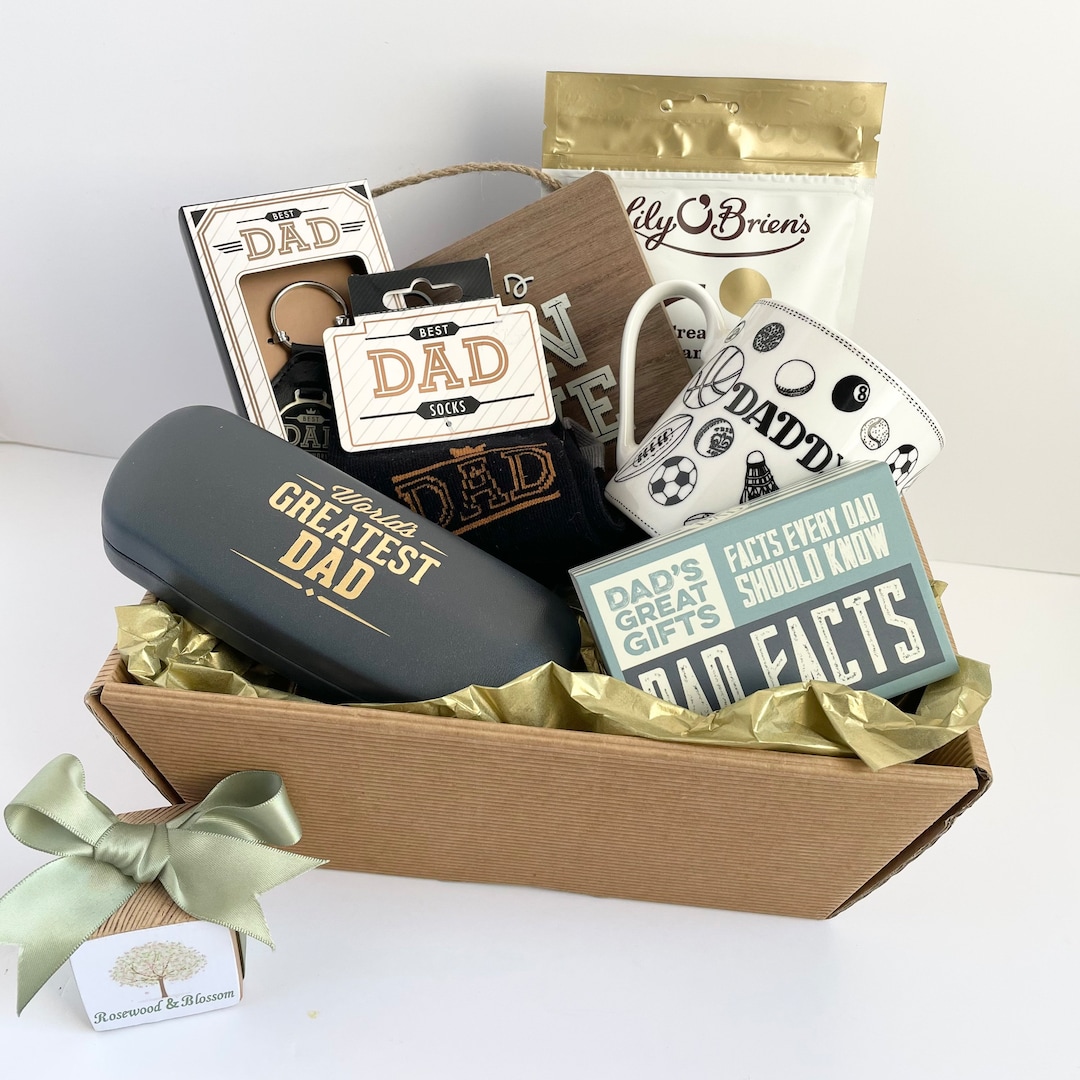
By adopting these principles—combining skeptical curiosity with genuine interest in craftsmanship and process—you gain the critical toolkit needed for overcoming the challenge of selecting premium local products. What other hidden gems are waiting just around the corner? When you approach every market, every stall, and every farmer's stand not as a shopper, https://messiahbpeg181.image-perth.org/elevate-his-bbq-game-finding-the-perfect-charcoal-grill-master-father-s-day-gift-set but as an informed patron, the quality of your experience (and your meal!) will naturally rise.
